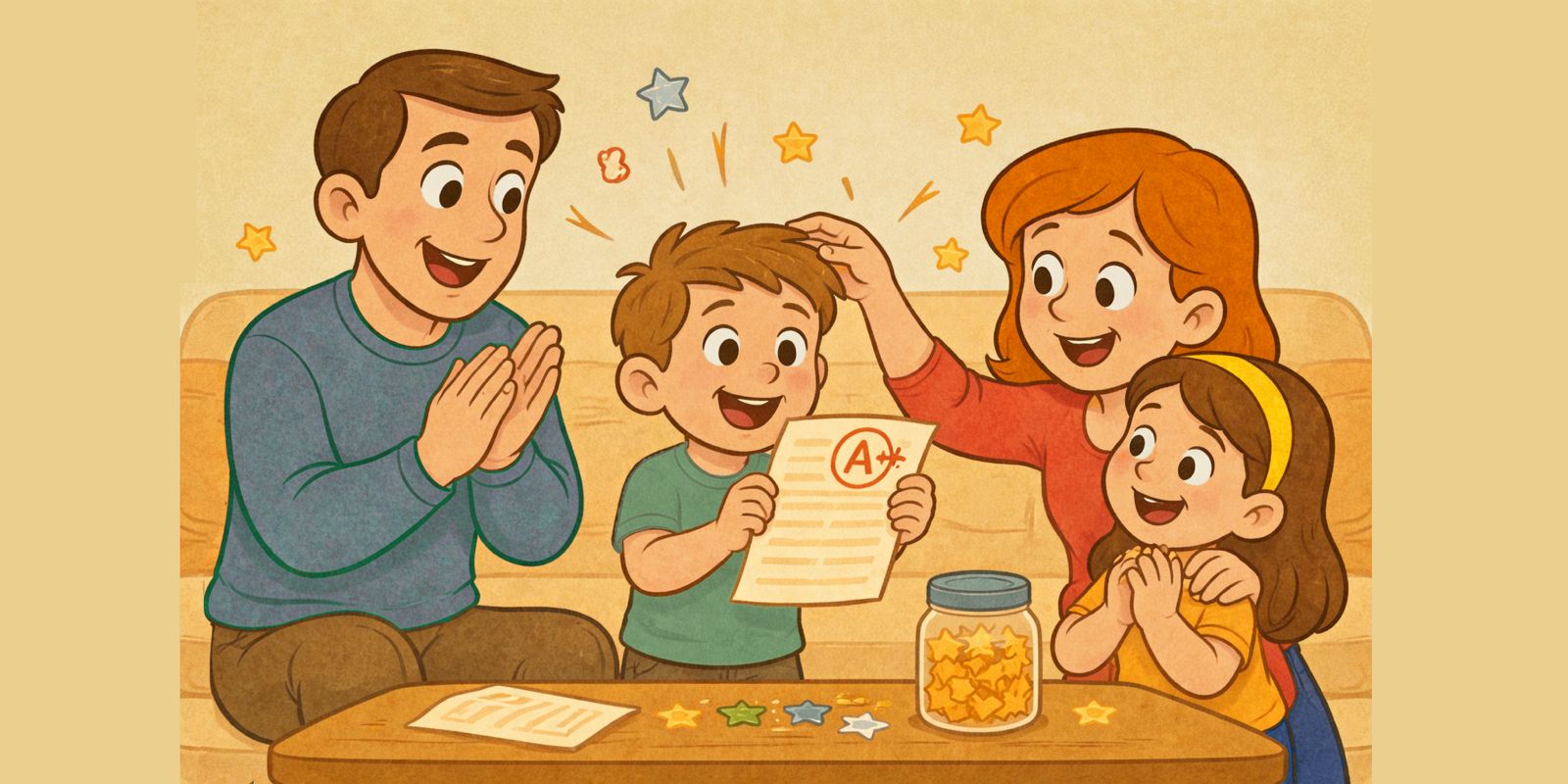
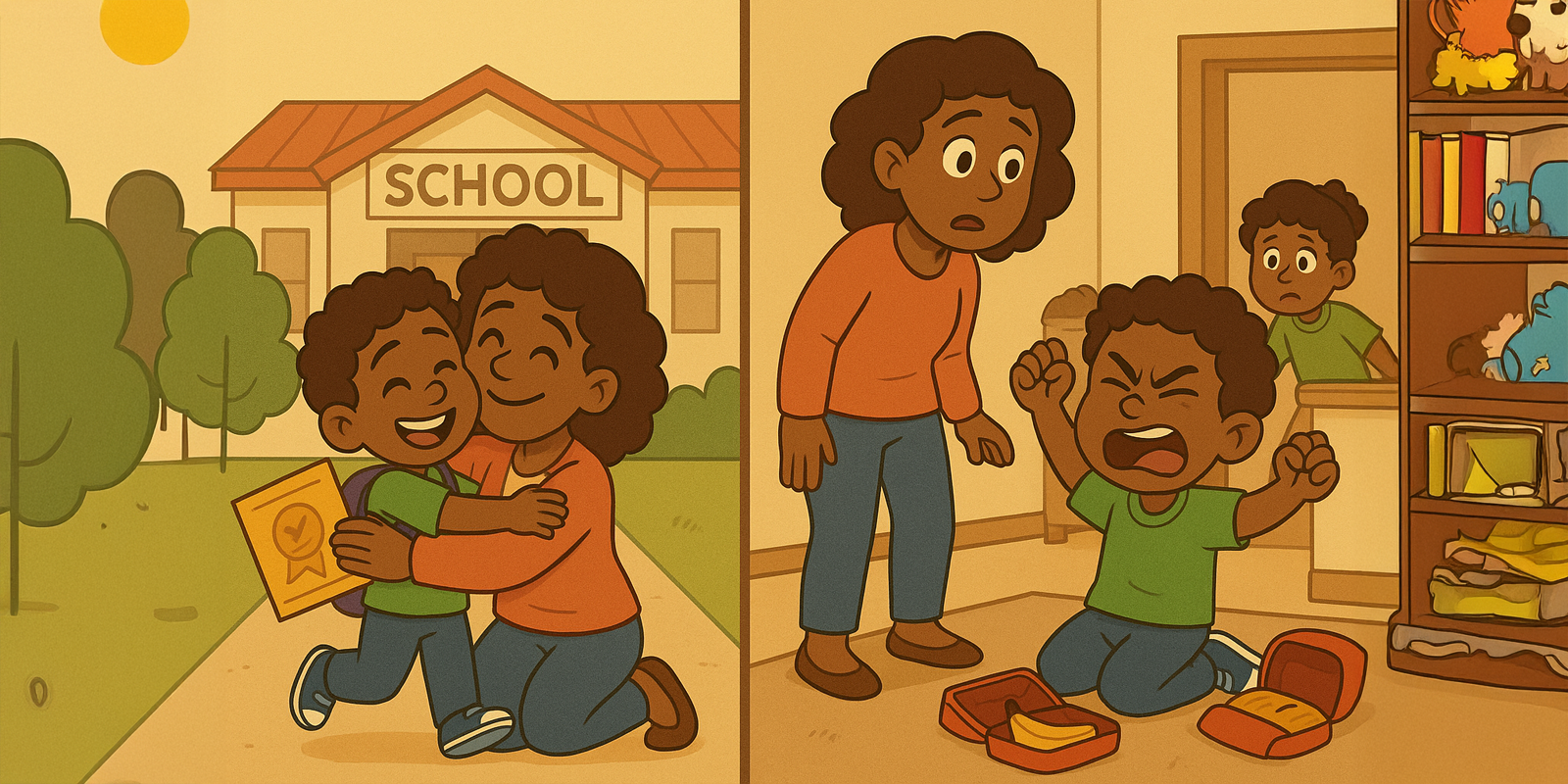
This afternoon, my 5-year-old son sprinted into my arms at school pickup, beaming. He was full of stories about a game they played in PE and proudly showed me a sticker he earned for “being a good friend.” We listened to music on the ride home, chatted about what kind of bird he thought he saw on the playground, and laughed when he made a joke about spaghetti being worms.
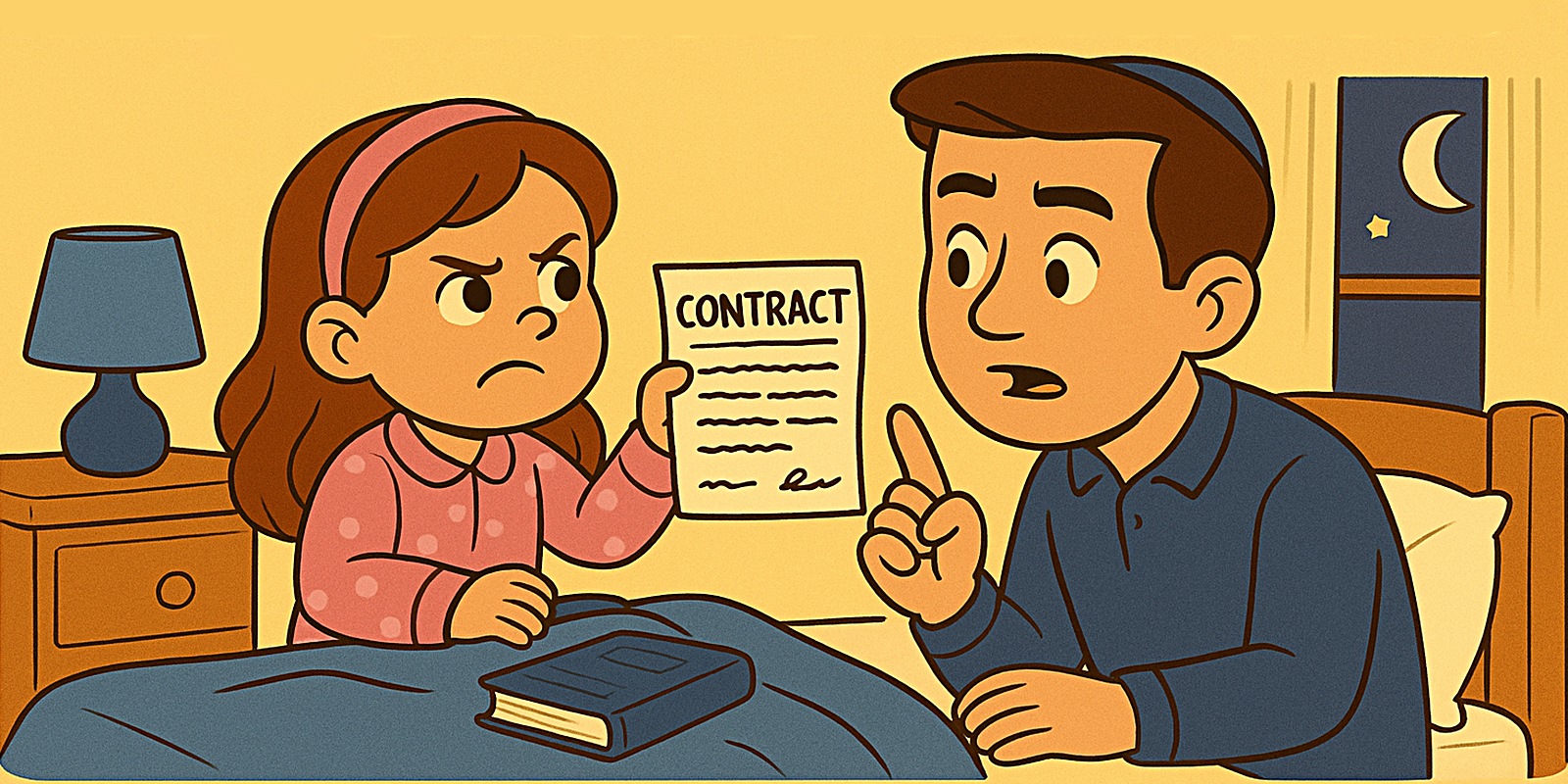
But by the time we walked through our front door—barely ten minutes later—something flipped. He refused to take off his shoes. Then he snapped at his sibling. By the time I asked him to put away his lunchbox, he was on the floor shouting that “everything is dumb.”
It’s baffling. At school: smiling, respectful, charming. At home: frustrated, explosive, irrational. And it happens a lot.
From Cheerful to Combustible: What the Research Tells Us
There’s a name for this kind of shift. It’s sometimes referred to as “after-school restraint collapse,” a term popularized by parenting educator Andrea Loewen Nair. She describes it as the emotional unraveling that happens when children, especially younger ones, return to their safest environment after spending the day keeping it together in more structured, social, or stimulating settings.
A 2015 study in Early Child Development and Care found that young children exhibit significantly more challenging behavior at home than in school environments—not because they are “better behaved” at school, but because they are exerting greater cognitive and emotional effort to regulate themselves in those settings. When that effort is no longer required, the built-up fatigue and stress have to go somewhere.
Loewen Nair explains: “Home is the place where a child can let go of the tension they’ve been holding in all day. Parents often interpret this as disobedience or attitude—but it’s really a release.” In other words, the meltdowns aren’t about being bad—they’re about being safe enough to fall apart.
Why It’s Worth Understanding, Not Just Enduring
If you’ve felt like your child gives the best of themselves to school and saves the worst for home, you’re not alone. And you’re not imagining it. That shift in behavior isn’t inconsistency—it’s exhaustion.
From a practical standpoint, the emotional whiplash of pickup-to-meltdown can derail your entire evening. Siblings get pulled into conflict. Routines fall apart. Parents feel ambushed. Emotionally, it’s draining to go from joyful reconnection to explosive resistance in a matter of minutes.
But there’s a deeper cost, too. If these meltdowns become routine and misunderstood, they can erode the child’s sense of emotional safety—or the parent’s confidence. Families start dreading the very moments they should be cherishing.
Culturally, we often underestimate how exhausting “normal” school days are for little kids: the constant transitions, peer dynamics, noise, expectations. Spiritually, these late afternoons should be a time of return, of reunion and grounding. When they become a source of friction instead, something precious gets lost.
What If the Problem Isn’t the Behavior, But the Transition?
It’s possible the meltdowns aren’t really about home at all. They’re about the space between school and home—a transition kids don’t know how to navigate yet.
Some children may benefit from decompressing in silence. Others need connection, snacks, or movement. But here’s the hard truth: what works one day may not work the next. And what looks like defiance might actually be emotional overwhelm that’s bubbling up the only way it knows how.
Maybe the goal isn’t to stop the behavior immediately, but to understand what it’s telling us. Maybe a reliable rhythm or cue can help children feel the shift from one space to the next more gently. Not with rules or lectures—but with presence and observation.
You’re Not Doing It Wrong—You’re Just Where It’s Safe to Fall Apart
It’s strangely comforting to realize the outbursts might be a sign of trust. Your child held it together for hours. They come home—and let go. That doesn’t make it easier in the moment, but it does help explain why the hardest part of the day might follow the happiest reunion.
Is this something you’ve seen in your own home? Does your child seem to hit a wall right after school? What have you noticed helps soften that transition—or at least keep it from spiraling? We’d love to hear your experiences, because if you’re walking through the door with a smiling child and bracing for the crash…you’re definitely not alone.